
LeAnn Rimes
Unpublished, 2006

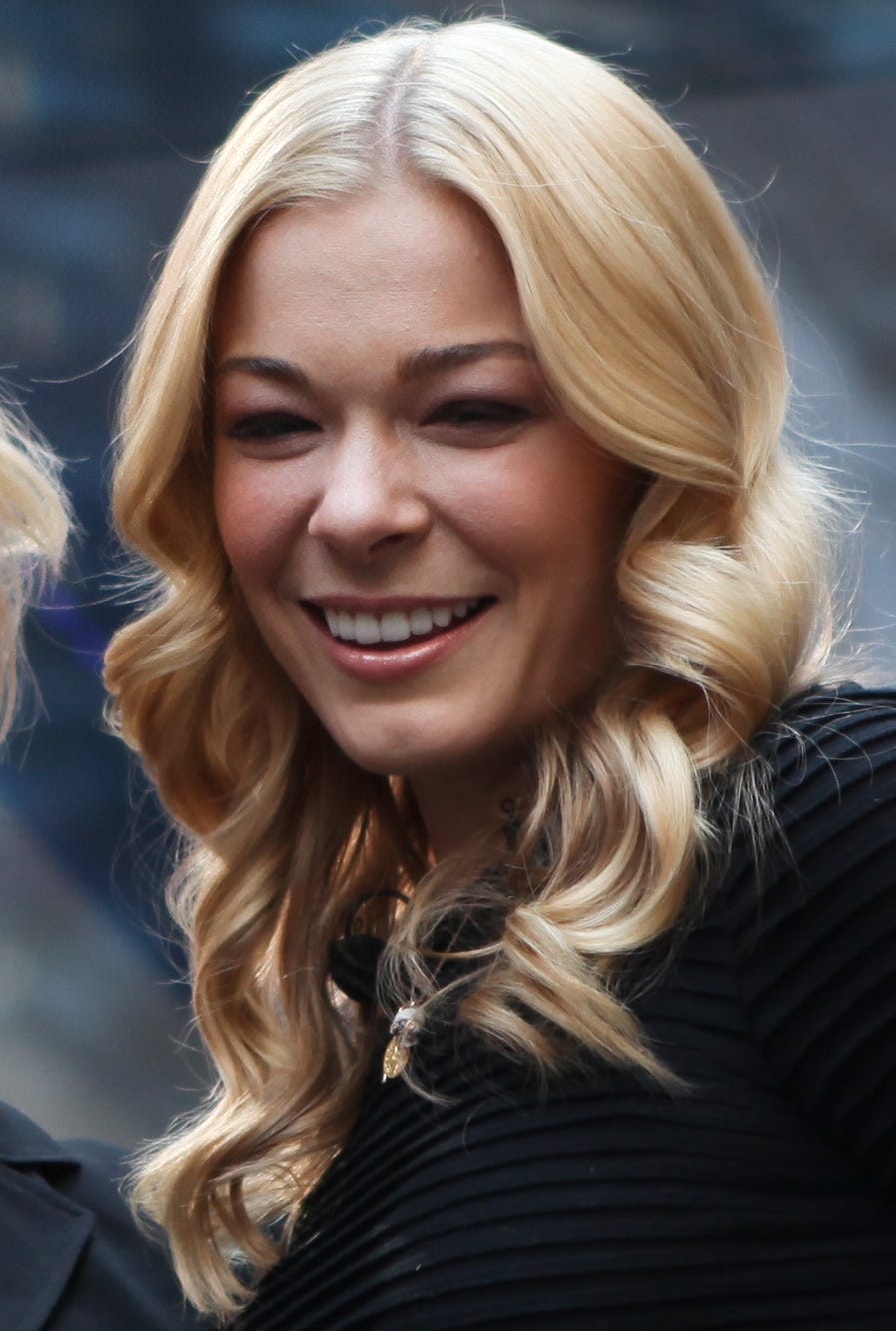
Here’s a bit of wisdom I picked up in the editorial trenches: You can listen as hard as you’re able, try to catch every thought uttered by the person you’re interviewing, yet when the time comes to channel that avalanche of observations, opinions and factoids into a coherent piece of prose, you’ll often find that some crucial detail slipped past you that you have to backtrack for clarification.
I have to add that this wasn’t typical in my experience. Most of the time, when some unexpected tidbit flowed past me in conversation, I did catch it, mentally underline and toss it back to the interviewee. I can remember one instance when doing so led me to completely revise the premise of the article and chase down avenues I hadn’t noticed when doing my research.
In 2003, I persuaded the weekly Nashville Scene to turn me loose on a cover story about Total Nonstop Action, the local professional wrestling organization slyly abbreviated TNA. As a longtime closet fan of “sports entertainment,” I dove happily into it, tapping into my previously useless mental archive about the history of this phenomenon, with the notion that I would summarize how the organization came together and pepper it with comments from its behind-the-scenes honchos, TV announcers and of course combatants.
The process began at the TNA office in Nashville’s Cummins Station complex, as I sat down for an interview with wrestler Jeff Jarrett (profiled earlier on this Substack project), multitasking executive Jeremy Borash and Bob Ryder, whose title was director of administration and talent relations. I was tossing them softball questions as a warmup: Where did you get the idea to do this? What were some of your earliest challenges? The responses were more or less what I’d expected: not exactly controversial but offering colorful glimpses of what went on behind the curtains, so to speak.
Then, without any prompting from me, Ryder said, “Now I suppose you want to ask about the legal stuff.”
Rather than gawk and ask, “What legal stuff?” I had the wherewithal to maintain my professional expression and reply, “Yeah. Let’s get into it now.”
What followed was an account of a lawsuit involving TNA and the Moby Dick of professional wrestling, Vince McMahon. I had no idea about any of this, but once Ryder began spilling the story, it was easy for me to listen and follow up appropriately. In the end, I had enough for a far more probing investigation than I had envisioned when I pitched the idea to the Scene.
What does this have to do with LeAnn Rimes, one of country music’s most revered vocalists since age fourteen, when her debut recording “Blue” began rising toward Platinum sales? Not much, except for one thing: Unlike my encounter with Ryder, she said something in our bio interview that I missed, which meant having to get back to her publicist for some telephone time.
As with almost all promo bios, this one was intended to focus on a recent album release. Titled Whatever We Wanna, it represented a significant shift in her style. Rather than her familiar, traditional Texas-bred approach, a pulsing, electronic Euro-dance feel pumped through most of the music. We dug into this theme pretty deeply; I had taken notes on each track, jotted down references to both musical queries (“Why did you take a bluesier approach on ‘Rumor ‘Bout a Revolution,’ with all those minor thirds and sevenths?”) and more generally on marketing beyond her established audience.
It was all great stuff – so interesting that when she said something about horses, or more precisely, “breaking horses,” it blew right past me. When I began transcribing, I came across this reference and realized I needed to know more about it. In the end, I don’t think any of it wound up on the bio. But so what? I finagled another opportunity to chat with this delightful artist and learn something in the process.
And, if I may, I think this transcript, better than many I’ve done, exemplifies how to wring every drop of info you can when covering a topic that you really don’t understand that well. Listen, ask, listen, ask: That’s how it goes.
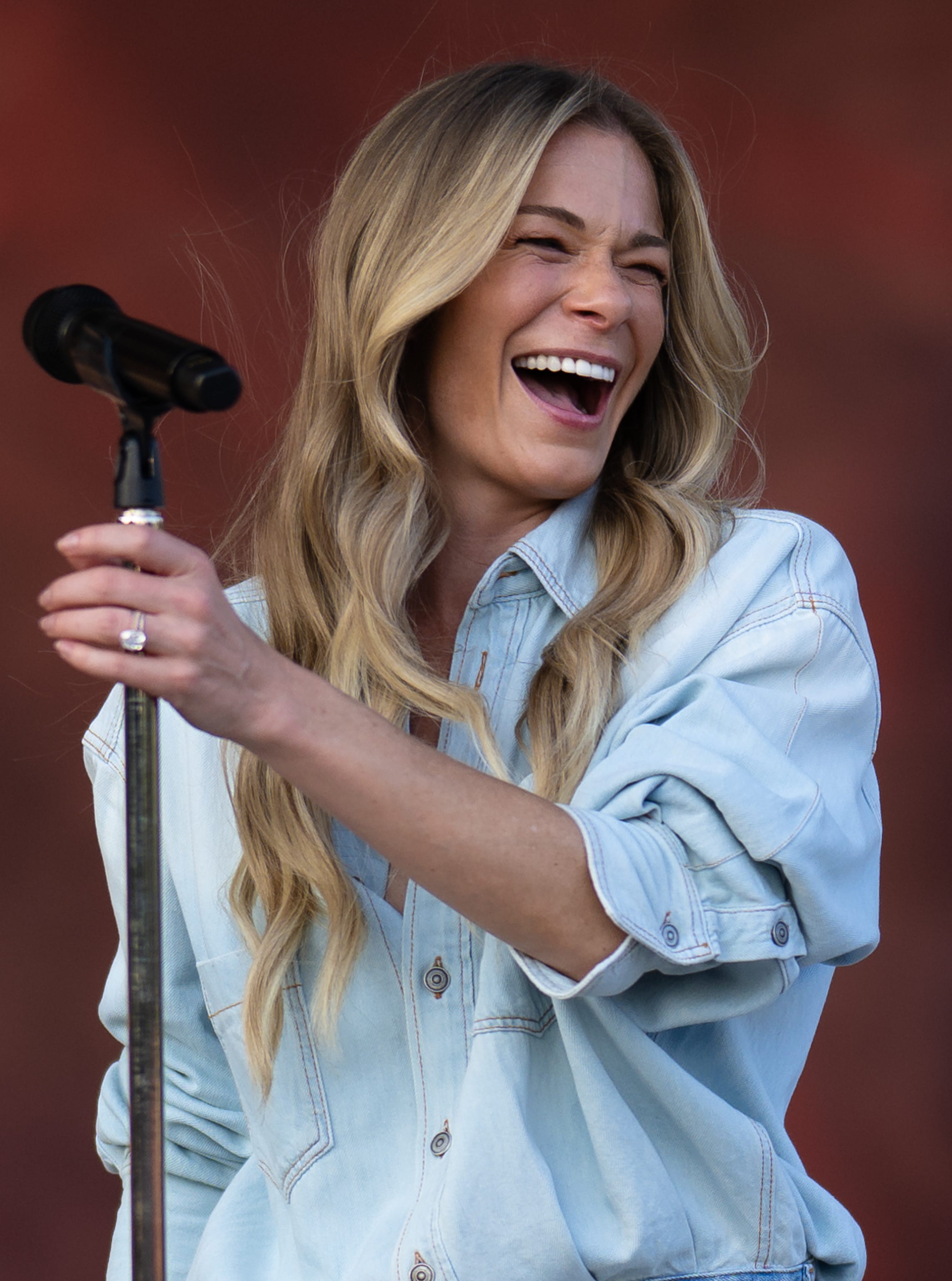
****
What is cutting horses?
The cutting horse is about going into a herd of cows with the horse, pulling one cow out of the herd, and keeping it from getting back to the herd. Training is critical to every sport that involves horses, but the cool thing about cutting is that it’s completely up to the horse to do the work. You just have to be a good enough rider to hang on. So it’s all about the horse. Every once in a while you give him a little bit of direction, but very rarely. The best horses are so well trained that they need no direction; it’s instinctual.
Could a cutting horse do it on its own?
You keep your hands up on the reins as you’re walking into the herd. When you pick the cow, you make sure the horse’s head is aligned with the head of the cow. Then you drop the reins, and that’s the signal for the horse to do its work. They’re trained by certain signals on what to do.
You’ve ridden horses in many different settings. What is there about cutting that has a particular appeal?
It’s just such a rush. Once the horse’s head drops, you know you’re in for a ride, especially if you’ve got a great cow that moves a lot. It’s a dance, totally; you just have to move your body back and forth with the horse.
When did you realize that this was something you wanted to explore?
I think I sang the national anthem at a rodeo somewhere. There was a guy named Punk Carter; he and his wife saw me sing, and he started talking to my dad and said, “You have to bring her up to my ranch.” He’s a world-renowned cutting horse winner. He knew a bunch of celebrities and he wanted to introduce me to a number of people that could help me in. I got into it from watching him ride. One day he said, “Hey, why don’t you get on a horse and try it?” He had this seat belt that he put on me; it would break off if I fell but otherwise would keep me on so I could learn. He was great.
How old were you?
I was ten or eleven.
So you were already riding well.
Yeah, I’d ridden all my life. I grew up around the rodeo, since that’s what my dad did.
Was it a very different experience to ride cutting horses from the other horses you’d ridden?
For me, horses were just a recreational ride; this was more of a sport. Also, I don’t think I’d ever been on a horse trained this well; it was a totally different animal.
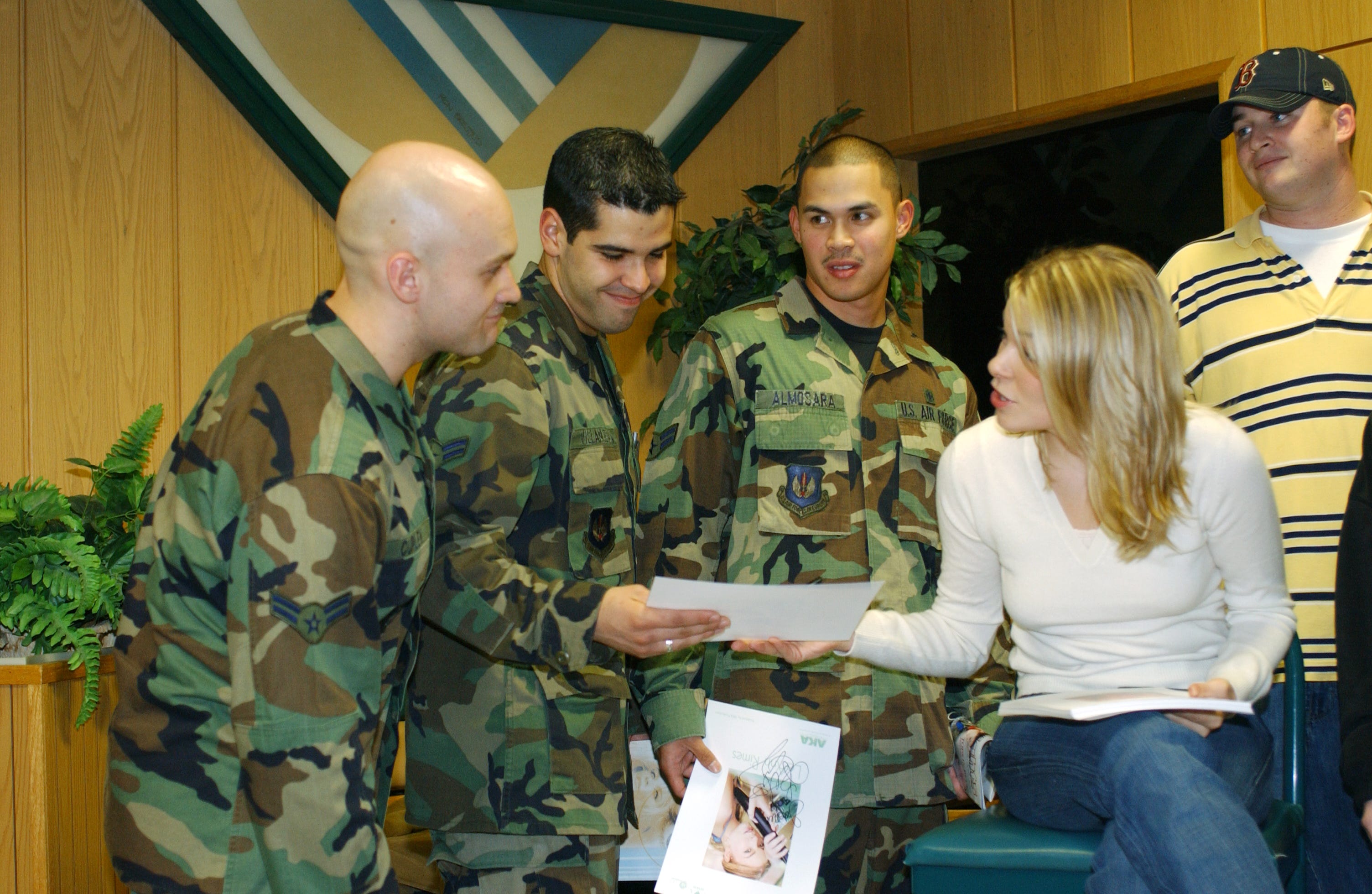
Were you into sports in general?
Yeah, I was a tomboy as a kid. My dad started me in T-ball when I was three. I was playing third base and shortstop in fast-pitch fastball by the time I was six or seven years old. I was the girl who loved sports. Baseball was my thing.
But something about this combined your love of sports with your love of horses.
It’s that and it’s also that I’m controlling by nature. I’m a control freak. As a kid, I was really competitive. That’s always been in my blood. When you get on the back of a cutting horse, you have to relinquish control and hand it over; you’re just along for the ride.
It’s counterintuitive for someone so competitive.
It was the one time I felt comfortable enough, knowing that the horse knew what it was doing, that I could give it all up. It was definitely a bonding experience with the horse. And it was very relaxing.
How do you learn to do this? Is it just a matter of doing it over and over?
It really is. Plus, when you have someone like Punk, who is absolutely the best at it, it was easy to do over and over again. I’m definitely not the greatest rider. I don’t ride often. Last time we went to do the TV show, I went up to him and said, “Do you have that seat belt thing [laughs]?” I hadn’t ridden on a cutting horse in five years – I’d ridden recreationals but never a cutting horse. And he said, “No, you’re not using a seat belt. You’ll be fine.” And I was freaked out the first time I got on it. And then it was such a rush, because I hadn’t done it in so long, and I really wanted to do it more. I guess it’s muscle memory. Once you get back on, you remember everything. It all comes back.
What are the essential skills you need for this, as opposed to other types of horse competition?
Number one, you have to trust the horse and know they can do their job. It’s really about being able to sit back in the saddle and not fall off. Essentially, that’s what you’re doing: Once they drop their head, you sit back on the saddle. Your body weight can’t go forward. It’s like if you were galloping or running with a horse, you have to sit back and not throw your body weight forward. You have to learn that kind of riding. When you’re running or galloping you’re pretty much going straight forward. This way, you’re going side to side; you really have to hold your balance.
Do you handle the reins differently than you do for riding?
They’re usually pretty loose. You give the horses a lot of slack, so their heads are never restricted. There’s a little bit of tension, but they have to be pretty loose so that they’re able to do their job.
What’s the ideal horse for this sport?
You use quarter horses. Other than that, I’m not sure if they’re larger or smaller or what they need from muscle tissue. They use thoroughbreds for horse racing; they’re huge. Quarter horses are medium/normal sized horses. Roping and all the things you see in rodeos, they use quarter horses.
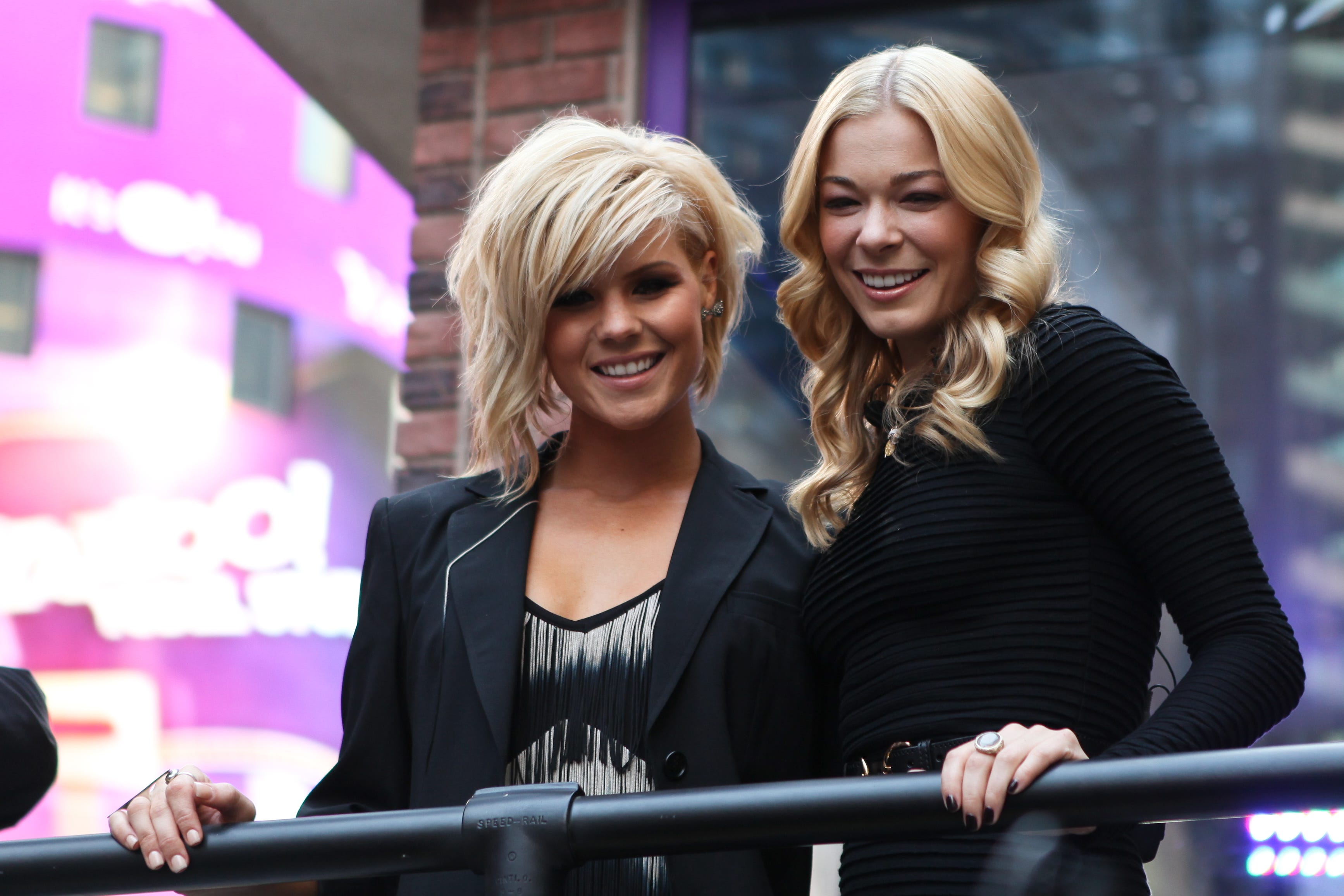
Describe the first time you did this competitively.
It was nerve wracking. Horses are such brilliant animals. My dad always told me that when you get on the back of a horse, you have to let them know that you’re the one in control – even if you’re scared to death. Otherwise, they’ll take that control from you immediately. And it’s nerve wracking to not have that complete control over what’s going to happen. That’s kind of interesting, actually, because you never know what’s going to happen until you go out there. It’s also like roping or any other sport where another animal is involved, in that you don’t know what’s going to come your way; you don’t know what kind of cow you’re going to get. You have to be smart about your choices when you go into the herd.
Does the horse make that choice?
You do. You walk into the herd. You’re looking for a cow that’s kind of lively. You don’t want one that’s dead in the water and doesn’t move. You’re looking for the most active cow of the bunch. If you’ve got a sluggish cow, one that doesn’t move, then the horse obviously isn’t going to move.
How does a competition begin? Are you out of a gate all of a sudden?
You walk out into the herd and drive as many of the cows as you can out to the middle of the arena. As they file back, you pick your cow and go head to head with them. As you drop the reins, you get your balance set and keep your weight back and in the middle of the saddle. And you let the horse do the work.
Do you think as these two minutes pass, or is it intuitive?
It becomes intuitive. When I did the TV show, the riding part was intuitive, but learning where the horse should be and making sure he’s on the head of the cow, it takes time to get back into that. When I was riding, all of that came instantly.
How is competition measured? Is it in terms of time elapsed?
I think you have two and a half to three minutes, and you’re measured by a point system. The more active the cow, the better it’s going to be. There are all these deductions that can be taken off. Your technique is very important. I know that you can kick with both feet to direct them, but you can’t raise your hand until you’re done with the cow.
The horse has priority in terms of its reflexes and reading where the calf is going to run. Yet you still direct it to an extent. You have to be careful not to direct it contrary to its instincts.
That’s right. It’s such an instinctual thing for the horse. If you’re parallel to the cow, and the cow is a little bit ahead of your horse’s head, you want to kick the horse up to make sure you’re right in line with the cow’s head. The horse watches the cow’s head and goes wherever it goes.
How often did you do this?
I did it maybe two or three times a week at Punk’s ranch when I lived in Texas, but I didn’t compete in it very often.
How did you do as a competitor?
I did well. I didn’t win, but I think I got a second or third place. This was a long time ago. They have the cutting horse NCHA [National Cutting Horse Association] Futurity in Fort Worth, Texas, every December, where a bunch of celebrities do it for charity. I’m going to try and do that this year.
What other celebrities are involved?
There are tons of Dallas Cowboys: [former tight end] Jay Novacek. Christie Brinkley has done it. Kix Brooks does it also.
Does the horse receive a different kind of diet than other horses?
I don’t really know that. I’ve ridden Punk’s horses but I’ve never taken care of my own horse.
As a rider, what has this taught you? Has the bond you’ve formed with cutting horses affected the way you relate to horses in general?
I adore animals. I have seven dogs and four cats. My dad gave me a horse for my twenty-first birthday at his ranch; he keeps it for me. I have such a huge respect for horses, their power and intelligence; they’re brilliant animals. And they’re loving animals too. They have such heart. Riding them is a very peaceful thing for me.
There’s a lot of weight being thrown around quickly in this sport. Is this a more dangerous sport for the horse than others?
Personally, I’ve never seen a horse get hurt through doing it. It’s fairly dangerous for any sport on the back of a horse. I was sore for about a week afterwards. Riding is one thing: My legs get a little sore and I get a good workout. But holding on like that with my inner thighs, that’s such a workout. And it’s so much fun. I had a blister on my tailbone the day after that.
But you’ve never been injured.
I’ve never been injured. The only experience I had was one time when I’d just gotten through cutting one of Punk’s, and somebody turned on a power saw – they were working on his arena. And my horse freaked out and started bucking. I was probably ten or eleven. My one leg flew off, the other foot was in the stirrup, and I was hanging onto the horn. Then when I finally got him to stop, all Punk said was, “That’s how you ride.” He’s such a hard-ass, and I’m crying! “I almost died!”
Apparently they even get down on their bellies and go eye-to-eye with the calf.
I’ve seen incredible pictures where the horses have their feet dug into the dirt and their head is almost on the ground. When you find a horse that’s really passionate and intense about what he’s doing, it’s cool to watch.
You’re about to go on the road. Will you be able to ride at all?
It’s tough, but my dad doesn’t live very far away, so in the spring I love to go up there and ride. I try to do as much as I can because it clears my mind and gets me away from everything. There’s no cell phone when you’re on the back of a horse.
How does this compare to singing at a concert?
Singing in a concert is something I do all the time, so it’s a comfortable setting for me. I’m comfortable on a horse too, but when I don’t do it often, it’s even more of a rush, like bungee jumping: The rope might break, you never know. That’s the thrill of it for me, because I’m used to being in control of everything, and this is the one time I’m not. That’s what the thrill is.
Describe your experience at riding in one of the cutting horse competitions.
Probably the most memorable was “celebrity cutting” at the Cutting Horse Futurity in Fort Worth, Texas, probably eight years ago now. It was definitely a rush. It was completely different from being in control of [unintelligible]; I think we talked about this. It’s such a different feeling. I remember being terrified [laughs]. I put a lot of pressure on myself, I’m such a perfectionist in everything I do, and I wanted to go out there and do my best. But I had so much fun. Once you get out there, everything kind of disappears – all of my fears. The crowd kind of disappears too. It’s just a blast to be able to ride.
How did you practice for that competition?
I went up to Punk Carter’s ranch and rode several days out of the week before I went into competition. At that time, being on the road, I rarely got to go and ride a horse, so I tried to practice every day and get to know the horse. That’s why it was a little bit scary too: It was something I did constantly. I got thrown into it the week before and then I went out and competed. It was fun; it got my mind off of everything.
What did Punk do during these practice sessions?
He’d explain what I was doing wrong or what I needed to do more, like how I needed to kick the horse or to get the horse in line with the cow and make sure he took the right cow out of the herd. We went over that again and again.
So that was a particular issue as far as you were concerned. What were your strengths, then?
The riding came naturally because I’d been on a horse all my life. Having to get thrown into it the week before, I was rusty on all the competitive things that people would be graded on and that you had to pay attention to.
You did well but you didn’t take first.
I did well but I didn’t take first place, which was totally fine. I just wanted to make sure I didn’t fall off the horse [laughs].
Who did win that competition?
I can’t remember who won. Christie Brinkley was in it.
Why didn’t you win? Was it nervousness?
Yeah, it was my comfort level. If I really practiced a lot and did it now, I’d probably do better because I’m a different person. Learning how to slow myself down and relax and not worry about what could happen, that would help me out a lot.
If there’s a rematch between you and Christie Brinkley, my money’s on you.
[Laughs.] Yeah, but she’s good!
###