

Covering pop music is probably the easiest gig a writer could hope for. Of course there are exceptions to this truism; when I’m in a sufficiently immodest state of mind, I like to think I’ve written a few articles that meet a higher standard. But as in so many other matters, Frank Zappa got it right when he famously described music journalism as “people who can’t write, doing interviews with people who can’t think, in order to prepare articles for people who can’t read.”
Yes, he was referring specifically to those who identified themselves as chroniclers of rock & roll. But in general, he’s not wrong. As my horizons expanded from Hit Parader to The New Yorker, jazz critic Whitney Balliett became a primary influence and inspiration. I still love reading his stuff, more so because of his word smithery than his scholarship. He was unrivaled in his ability to take the reader into atmospheric places, whether a smoky basement club or an artist’s living room. And he had the gift of coaxing interview subjects into wonderful twists of phrase.
But even he admitted that ultimately he, like his peers, “is a bundle of biases held loosely together by a sense of taste.” A bit self-deprecating, but laudably candid.
This is one reason why so many lesser talents, myself included, gravitated toward this corner of the writer’s world. And those of us who found a foothold there soon discovered that most of our assignments would involve fitting encomiums about some artist’s latest album or upcoming show into a stingy word count.
Essentially, the differences between a bio written for a publicist and an pop artist interview for a publication are minimal, if not nonexistent. Both are by nature promotional. In fact, regional media learned to trim their freelance budgets by just printing those bios. The noose is even tighter nowadays, as one longtime friend in the PR community recently whispered to me that his current clients usually bring a written bio with them, often cobbled by an AI robot, thus sparing him from having to pay writers (including he apologized, me).
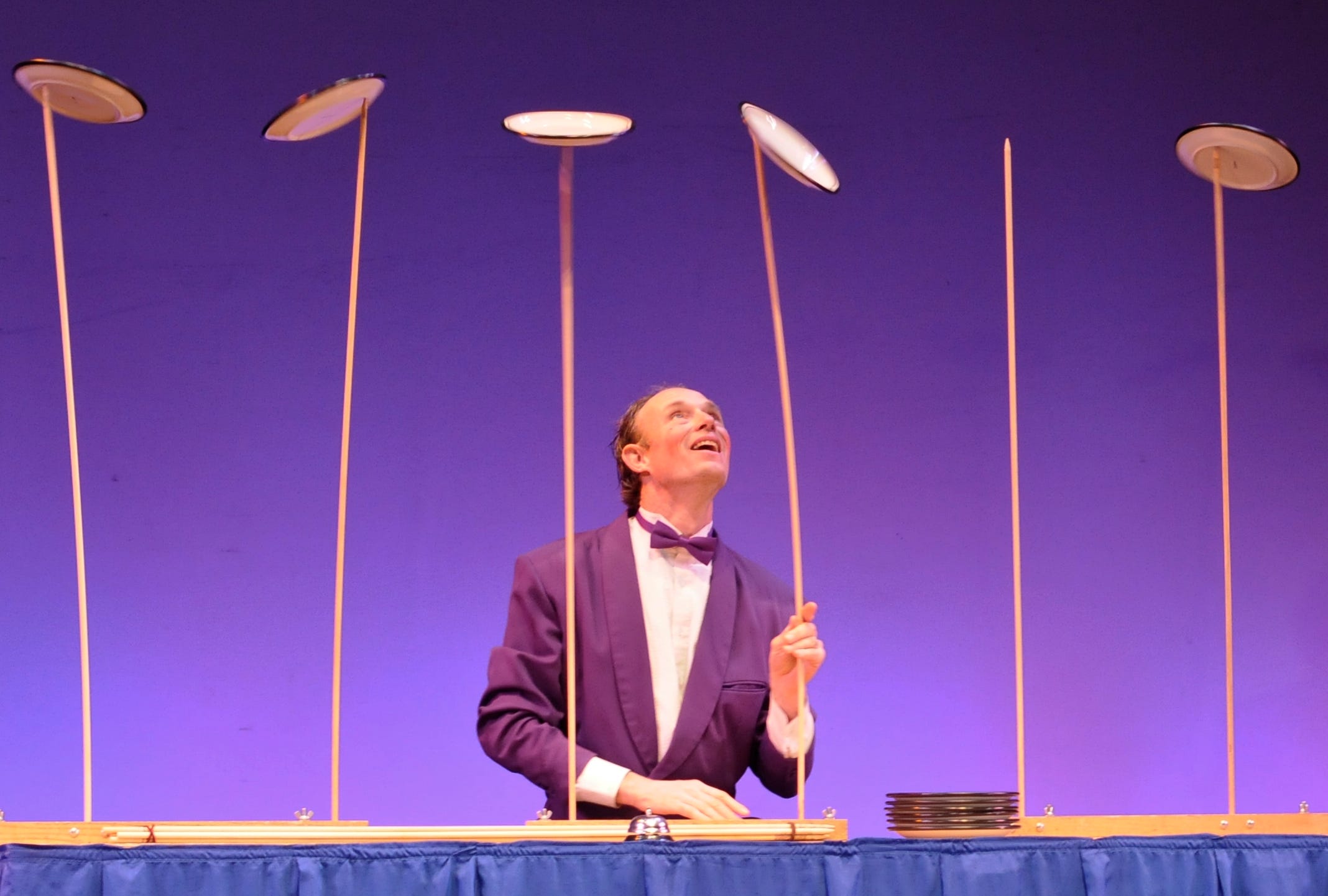
It was my great fortune to retire around before this latest assault on the freelance community began. Right up to the blessed onset of Social Security, I was able to crank out enough bios and album-focused articles to fill my schedule with overlapping dates for pitching ideas, doing interviews, writing, delivering and editing ahead of deadline. Keeping on top of it all reminded me of how those plate spinners on The Ed Sullivan Show worked.
All this is to say that I’ll be launching a new series of transcripts here, each one focused on a single project, as opposed to some grander, more ambitious undertaking. It was one thing to fly to Russia and Japan, or to the Van Cliburn Piano Competition, for some deep-dive coverage, or to research the death of Jimi Hendrix; producing a 1.5-page or 300-word piece heralding a single new release is another. Though less ambitious, these efforts required their own skill sets, most importantly the ability to isolate one key theme and build the message around it.
My first transcription in this series will magically pop up here in the next few days.
####
Bring 'em on! I'm looking forward!